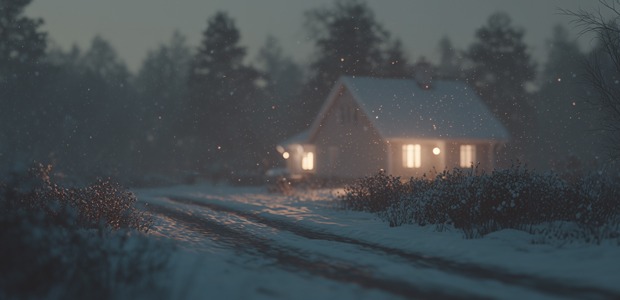
When temperatures drop below freezing and snow blankets Pittsburgh, a sudden heating failure can quickly turn from an inconvenience into a serious problem. A furnace that shuts off in the middle of the night or a heat pump that only blows cold air can leave your family uncomfortable and potentially at risk. The key is knowing what to check yourself, what requires professional help, and how to keep everyone safe while you wait for service. At Pro Degree, we specialize in Heating, Air Conditioning & Refrigeration, and we’re here to guide Pittsburgh homeowners through winter heating emergencies so they can stay safe and get their heat restored as quickly as possible.
What Safety Checks Should You Make Immediately?
Safety must come first whenever a gas or electric heating system behaves differently than normal. Before you start troubleshooting or trying to restart your system, you need to make sure there are no immediate dangers to you or your family.
How Do You Know If You Have a Gas Leak?
If you notice a strong gas smell anywhere in your home, this is an emergency that requires immediate action. Natural gas has a distinctive odor that’s been described as smelling like rotten eggs or sulfur. This smell is added intentionally because natural gas itself is odorless, and the additive helps you detect leaks.
If you smell gas, leave the house immediately with all family members and pets. Do not stop to gather belongings. Do not light matches, use lighters, smoke, or flip any light switches while you’re still inside, as these could create a spark that ignites the gas. Once you’re safely outside or at a neighbor’s home, call your gas company’s emergency number or 911. Stay outside until emergency responders tell you it’s safe to return.
What Electrical Problems Require Immediate Attention?
Electrical issues can also pose serious safety risks. If you hear buzzing, crackling, or popping sounds coming from your electrical panel, or if you see scorch marks, melted plastic, or smoke coming from your furnace, treat this as an urgent safety issue. Turn off power to the furnace at both the furnace switch and the circuit breaker, then call for professional help immediately. Do not attempt to restart the system or investigate further on your own.
How Serious Is Carbon Monoxide Risk?
Carbon monoxide deserves the same level of caution as gas leaks. This colorless, odorless gas is produced when fuel doesn’t burn completely, and it can be deadly. Every home with fuel-burning appliances should have working carbon monoxide detectors on every level and near sleeping areas.
Make sure your carbon monoxide detectors have fresh batteries and test them regularly to confirm they’re working properly. If a carbon monoxide alarm sounds, treat it as a real emergency. Get everyone outside immediately and call 911 from a safe location. Do not open windows and stay inside hoping the alarm will clear on its own. Do not assume it’s a false alarm.
Whenever you suspect a combustion problem with your heating system, the safest approach is to shut the system down using both the power switch near the furnace and the controls at your thermostat, then leave it off until a qualified technician can inspect it and verify it’s safe to operate.
What Basic Checks Can You Safely Do Yourself?
Once you’ve confirmed there are no immediate safety concerns, there are several simple checks you can perform that might identify the problem or even get your heat working again. These basic troubleshooting steps don’t require opening panels, adjusting burners, or working with gas or electrical components.
Is Your Thermostat Set Correctly?
Many heating service calls start with a quick look at the thermostat, and for good reason. Thermostats control when your heating system runs, and incorrect settings are a surprisingly common cause of “no heat” complaints.
Confirm that your thermostat is set to “heat” mode rather than “cool” or “off.” Check that the temperature setpoint is higher than the current room temperature shown on the display. If you have a programmable or smart thermostat, verify that any schedules or setback programs match what you actually want right now. Sometimes a programmed schedule can override manual settings, causing the system to behave differently than expected.
If the thermostat display is completely blank, you may have a power or battery issue. Many thermostats use batteries as a backup power source or as their primary power. Replace the batteries if your model uses them, then see whether the display returns. If the screen lights up but the system still doesn’t respond when you adjust the temperature, proceed to check the furnace power switch and circuit breaker.
Have You Checked the Furnace Power Switch?
Near most furnaces, usually mounted on the wall nearby or on the furnace itself, there’s a simple wall switch that looks exactly like a light switch. This switch controls power to the heating unit. It’s not uncommon for this switch to get bumped or accidentally turned off, especially if your furnace is in a utility area where people are moving things around.
Make sure this switch is in the “on” position. It sounds almost too simple to mention, but checking this switch takes five seconds and solves a surprising number of heating complaints.
Are Any Circuit Breakers Tripped?
At your home’s main electrical panel, look for any tripped circuit breakers. Your furnace or heat pump will have a dedicated breaker, often labeled “furnace,” “HVAC,” or something similar. A tripped breaker handle usually sits in a middle position between fully on and fully off, or it might move to the off position.
If you find a tripped breaker, turn it fully off first, then flip it back to the on position. This reset sometimes solves the problem. However, if the breaker trips again immediately or shortly after you reset it, leave it off and call for professional service. Repeated tripping indicates a deeper electrical fault that could be dangerous, and it needs to be diagnosed and repaired by a qualified technician.
When Was Your Air Filter Last Changed?
A heavily clogged air filter is one of the most common causes of heating system shutdowns. When the filter becomes packed with dust, pet hair, and other debris, it restricts airflow through your system. This restriction can cause your furnace to overheat, triggering safety switches that shut the unit down to prevent damage.
Locate your air filter (it’s usually in a slot near the furnace or air handler, or in a return air grille somewhere in your home) and pull it out to inspect it. Hold it up to a light. If you can’t see light passing through it, it’s too dirty and needs to be replaced. Even if it doesn’t look terrible, if you can’t remember when you last changed it, now is a good time to put in a fresh one.
Replace the filter with the correct size and type for your system. The size is usually printed on the frame of the old filter. After installing a new filter, give your system a little time to see whether it starts a normal heating cycle. Sometimes a new filter is all it takes to get things running again.
What Do Strange Smells and Noises Mean?
Heating equipment often gives you sensory warnings when something is wrong. Learning to recognize normal smells and sounds versus problematic ones can help you know when to call for service.
Which Furnace Odors Are Normal and Which Are Dangerous?
A light, dusty smell when you first turn your furnace on for the season is completely normal. This odor comes from dust that has settled on the heat exchanger and in the supply ducts during the months the system sat idle. The smell should fade within a few hours of operation.
Sharp, metallic, or burning plastic smells are different and should be taken seriously. These odors can indicate overheating components, electrical problems, or other issues that need professional attention. If you notice these types of smells, turn the system off at both the furnace switch and the thermostat, then call a professional to investigate before you try to run it again.
An oil or fuel smell from an oil furnace that persists beyond initial startup also warrants a service call. While you might notice a slight oil smell briefly when the burner fires, a strong or lingering petroleum odor suggests incomplete combustion or a fuel leak that needs immediate attention.
What Are Normal Furnace Sounds Versus Problem Sounds?
A properly operating furnace makes several predictable sounds. You’ll hear a gentle hum from the blower motor, a soft whoosh when the burner ignites, and a rush of air from the supply vents when the blower kicks on. These sounds are normal and indicate your system is working as designed.
Certain sounds, however, signal problems. Loud clanging, scraping, or grinding noises are not normal and may indicate loose parts, failing bearings, or blower wheel problems. High-pitched squealing often points to worn belts or motor bearings that need attention. Repeated booming or banging when the burner lights can indicate delayed ignition, where gas builds up before igniting all at once rather than lighting smoothly.
In any of these situations, keep the system off and wait for a technician to inspect it. Running a noisy furnace to “get through the night” often causes additional damage that makes repairs more difficult and expensive. What might have been a simple bearing replacement can turn into a complete blower motor failure if you keep running the system while it’s making distress signals.
Why Does Winter Weather Make Heating Failures Worse?
Cold weather doesn’t just make a broken heating system more uncomfortable. It actually exposes weak points in your equipment and can turn minor issues into complete failures.
How Does Extreme Cold Affect Your Heating System?
When temperatures drop significantly, your furnace or heat pump must work harder and run longer to maintain comfortable indoor temperatures. This extended operation puts stress on components that might have been functioning marginally during milder weather. Issues like faulty capacitors, worn blower motors, or dirty flame sensors can go unnoticed during fall’s moderate temperatures and then fail completely when your system faces the steady workload of a prolonged cold snap.
Outdoor heat pumps face additional challenges in winter. They must contend with snow accumulation, ice formation on coils, and wind-driven debris that can block airflow and trigger defrost cycles more frequently. Heavy ice buildup on top of a heat pump cabinet or around the unit can restrict airflow and reduce efficiency, making the system work even harder to keep your home warm.
What Warning Signs Should You Watch For?
Long heating runs also dry indoor air, which can make certain problems easier to notice. While static shocks, dry noses, and creaking floors may be annoying, they also remind you to pay closer attention to how your heating system is behaving.
Frost accumulation on outdoor heat pump coils is normal during certain conditions, but heavy ice that doesn’t periodically melt off during defrost cycles indicates a problem. Vents that suddenly deliver reduced airflow in certain rooms, or cold spots that develop in areas that were previously heated adequately, can signal ductwork problems or system capacity issues.
These signs often appear gradually and might seem minor at first, but they typically indicate the equipment isn’t moving air or refrigerant as intended. Addressing these issues before they become complete system failures can save you from being without heat during the coldest days of winter.
When Should You Stop Troubleshooting and Call for Help?
Knowing when to step back and call a professional can prevent you from wasting time on problems you can’t fix yourself, and more importantly, it keeps you safe from potential hazards.
What Does a Complete Troubleshooting Checklist Look Like?
A short checklist helps you know when you’ve done what you safely can. If you have checked your thermostat settings, verified that power switches and breakers are on, replaced a dirty air filter, and you still have no heat or unstable heat, it’s time to call for professional service.
If any of your senses pick up something that feels unsafe, skip the rest of the checklist and make that call immediately. Strong gas or burning odors, unusual grinding or banging sounds, visible sparks or smoke, or circuit breakers that repeatedly trip all belong in a professional’s hands, not yours.
What Should You Never Attempt on Your Own?
There are clear boundaries between homeowner maintenance and professional service. You should never remove burner covers, try to adjust gas valves, work with electrical connections inside the furnace cabinet, or open electrical compartments to investigate problems. These tasks require specialized training, proper testing equipment, and safety checks that go far beyond basic homeowner maintenance.
Modern heating systems include multiple safety switches, gas valves, ignition systems, and electrical components that must work together precisely. Attempting repairs without proper knowledge can create safety hazards, void your equipment warranty, or cause additional damage that makes professional repairs more expensive.
How Can You Help Your Technician Work More Efficiently?
 When you do call for service, the information you provide helps the technician prepare and work more efficiently. Describe what you’ve noticed about how the system is behaving. Mention any smells, sounds, or error codes you’ve seen on the thermostat display. Explain what troubleshooting steps you’ve already taken, like replacing the filter or checking the circuit breaker.
This information helps the technician plan what tools and parts to bring and gives them a starting point for diagnosis, which can shorten the service visit and get your heat restored sooner. The more specific you can be about symptoms and when they occur, the better equipped your technician will be to solve the p