Pittsburgh’s winter weather creates unique challenges for homeowners when it comes to protecting their plumbing. The area’s frequent freeze-thaw cycles and sharp cold snaps can put your pipes at serious risk. With temperatures that drop well below freezing at night, only to thaw during the day and repeat the cycle, frozen pipes become a real threat to every household. When left unaddressed, you can face burst pipes and costly water damage that affects your entire home. At Pro Degree, we specialize in Heating, Air Conditioning & Refrigeration, and while plumbing isn’t our primary focus, we know that keeping your home warm is the first line of defense against frozen pipes. By learning why pipes freeze and where the weak points are in your home, you can better protect your property and avoid mid-winter emergencies.
Why Do Pipes Freeze in Pittsburgh Homes?
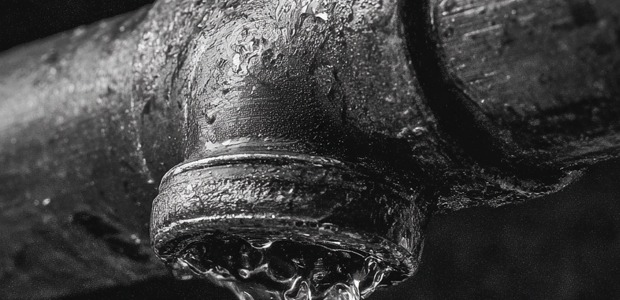
Pipes freeze when the water inside them drops below 32 degrees Fahrenheit, causing it to turn solid. This might seem straightforward, but the consequences can be serious and expensive.
What Happens When Water Freezes Inside Pipes?
As water freezes and turns to ice, it expands. This expansion increases pressure within the pipe from the inside. The pressure buildup doesn’t always cause immediate damage. Sometimes the pipe holds together while frozen. The real danger comes when the ice thaws and water starts flowing again. That’s when cracks or full bursts often reveal themselves, sending water flooding into your home.
The damage from a burst pipe can be extensive. Water can soak insulation, damage drywall, ruin flooring, destroy personal belongings, and create conditions for mold growth. Even a small crack can release gallons of water per hour, and if the break happens when you’re away from home or asleep, the damage multiplies.
Why Is Pittsburgh Particularly At Risk?
Pittsburgh’s fluctuating winter temperatures make frozen pipe risk particularly high compared to regions with more stable cold weather. In areas where temperatures stay consistently below freezing all winter, pipes either freeze early and stay frozen, or homeowners take aggressive preventive measures because they know what to expect.
Pittsburgh’s pattern is different. Temperatures might drop into the teens overnight, then climb to the 40s the next afternoon. This freeze-thaw pattern repeats throughout the winter. Each cycle stresses your pipes and weakens pipe materials over time. A pipe that survives the first cold snap might develop microscopic cracks that worsen with each subsequent freeze cycle until eventually the pipe fails.
This weather pattern also means homeowners sometimes get complacent. After a few mild days, it’s easy to forget that another hard freeze is coming. That’s when pipes that were just barely hanging on during the previous cold spell finally give out.
Which Parts of Your Home Are Most Vulnerable?
Not all pipes in your home face equal risk. Some locations are far more likely to freeze than others, and knowing these vulnerable spots helps you focus your prevention efforts where they’ll do the most good.
Why Are Basement Pipes at Risk?
Basements in Pittsburgh homes often contain numerous water supply lines and drain pipes. While basements typically stay warmer than outdoor temperatures, they’re still usually the coldest part of your home. Many Pittsburgh basements are only partially heated or not heated at all.
Pipes in basements face risk from several directions. Cold air can enter through foundation cracks, gaps around pipe penetrations, or poorly sealed windows. Basement walls in contact with frozen ground transfer cold into the space. And if your basement has areas without insulation, pipes in those sections face direct exposure to cold conditions.
What Makes Crawl Space Pipes So Vulnerable?
Crawl spaces create an especially hazardous environment for pipes. These areas typically have minimal or no heating, limited insulation, and numerous gaps that allow cold air infiltration. Pipes running through crawl spaces face exposure to near-outdoor temperatures while still containing water that you need to remain liquid.
Many older Pittsburgh homes have crawl spaces with vents designed to provide moisture control. While these vents serve a purpose in other seasons, during winter they allow frigid air to flow directly past your pipes. The combination of cold air, minimal insulation, and lack of heat makes crawl spaces one of the most common locations for frozen pipes.
Why Do Pipes in Exterior Walls Freeze?
Pipes running through exterior walls face cold from multiple angles. The wall cavity itself is colder than interior spaces, especially if insulation is inadequate or has settled over time. Cold air infiltration through tiny gaps in siding or around windows can create surprisingly cold conditions inside the wall.
Kitchen and bathroom pipes often run through exterior walls because that’s where fixtures are located. These pipes see frequent water flow during the day, which helps keep them from freezing. But overnight when no water moves through them for hours, they’re sitting stationary in a cold environment, which is when freezing occurs.
Are Outdoor Faucets and Hose Bibs at Risk?
Outdoor faucets and hose bibs are extremely vulnerable because they’re directly exposed to outdoor temperatures. Even “frost-free” models can freeze if not properly winterized. The pipe supplying these outdoor fixtures runs from your warm house through your wall to the outside, and anywhere along that path where the pipe is inadequately protected faces freezing risk.
If you leave a hose attached to an outdoor faucet, water can become trapped in the faucet body and the pipe immediately behind it. This trapped water will freeze, and the expansion can crack the faucet or the pipe feeding it.
What Prevention Steps Should You Take?
Knowing where pipes are vulnerable is helpful, but taking action is what actually protects your home. Several proven strategies can dramatically reduce your risk of frozen pipes.
How Do You Insulate Pipes Effectively?
Wrapping exposed pipes in basements, crawl spaces, and garages with foam or fiberglass insulation provides extra protection against the cold. Pipe insulation is inexpensive and easy to install yourself. Foam pipe sleeves slip over pipes and are secured with tape. Fiberglass pipe wrap is also available and provides good insulation value.
Pay special attention to pipes in the most vulnerable locations. If you have limited time or resources, insulate pipes in unheated areas first, then work your way to pipes in marginally heated spaces. Any insulation is better than none.
In high-risk sections, consider applying heat tape. Heat tape is an electrical heating element that wraps around pipes and provides just enough warmth to keep water from freezing. It’s controlled by a thermostat that turns the heat on when temperatures drop to near-freezing levels. Heat tape requires an electrical outlet and should be installed according to manufacturer instructions to prevent fire hazards.
What Should You Do With Outdoor Faucets?
Drain outdoor hose bibs before winter arrives. First, shut off the interior valve that supplies water to the outdoor faucet. Then open the outdoor faucet to let any remaining water drain out. Many outdoor faucets have a small bleeder cap or drain screw that you can open to ensure complete drainage.
Once drained, close the outdoor faucet but leave the interior supply valve closed. This keeps water from reaching the vulnerable outdoor section of pipe. For added protection, exterior spigots should be sealed using insulated caps that cover the faucet and provide an extra layer of protection against cold.
How Can You Reduce Cold Drafts?
Drafty areas that let in cold outside air are likely to cause frozen pipe problems. Use caulk or spray foam to seal gaps around foundation walls, sill plates, or pipe penetrations. These air leaks might seem minor, but they allow a steady flow of freezing air that can drop temperatures dramatically in the spaces where pipes run.
Pay particular attention to areas where pipes penetrate from inside your home to outside, such as where your water service line enters the house or where plumbing vents exit through walls. These penetrations often have gaps that were never properly sealed during construction.
Closing crawl space vents can also make an impact, especially during extreme cold spells. While some building codes require crawl space vents for moisture control, temporarily closing them during the coldest days can protect your pipes. Just remember to reopen them when temperatures moderate.
Make sure to close garage doors, especially if plumbing lines run through your garage. An open garage door allows cold air to flow directly over any pipes in that space. Many homeowners forget this simple step, especially if they’re just running in and out frequently.
Should You Let Your Heat Run Continuously?
Managing water flow and temperature throughout your home makes a significant difference in preventing frozen pipes. Maintaining a consistent thermostat setting helps ensure that the areas where pipes run don’t drop to dangerous temperatures.
Some people lower their thermostats significantly at night to save energy, but this practice increases frozen pipe risk. If pipes in your home have frozen before or if you know certain areas get particularly cold, consider keeping your thermostat at a steady temperature around the clock during cold snaps. The extra heating cost is minimal compared to the cost of repairing burst pipe damage.
Opening cabinet doors under sinks on exterior walls lets warm air circulate around the pipes in those cabinets. Bathroom and kitchen sinks on outside walls are particularly vulnerable because the pipes run through or near cold exterior walls. Opening the cabinet doors at night allows warmer room air to reach these pipes.
Does Letting Faucets Drip Really Help?
Moving water requires lower temperatures to freeze than standing water. Allowing a slow drip from faucets connected to vulnerable pipes can help reduce the risk of freezing during the hardest freezes. You don’t need a strong flow, just enough to keep water moving through the pipes.
This technique is especially useful for pipes in exterior walls or other vulnerable locations. Choose faucets at the end of supply lines, as these are typically the first to freeze. Both hot and cold sides should drip if possible.
The amount of water used for dripping is small compared to the potential cost of burst pipe damage. However, this should be considered a temporary measure during extreme cold rather than something you do all winter.
What Should You Do If Pipes Start to Freeze?
Despite your best prevention efforts, you might notice signs that a pipe is beginning to freeze. Quick action when you first notice problems can prevent the pipe from freezing completely or bursting.
How Do You Know If a Pipe Is Freezing?
Reduced water flow from a faucet is often the first sign that a pipe is freezing. If you turn on a faucet and only a trickle comes out, or if the flow is noticeably weaker than normal, ice may be forming inside the pipe and restricting water passage.
Other warning signs include:
- Strange gurgling, clanking, or banging noises from pipes when you turn on water
- Visible frost or condensation on the exterior of exposed pipes
- Unusual odors coming from drains, which can happen when ice blocks vent pipes
- Water pressure problems in just one area of your home
If you notice these signs, act quickly before the situation worsens.
How Can You Safely Thaw a Frozen Pipe?
If you notice reduced water flow or other signs of freezing, your goal is to locate the affected area and increase heat in a safe way. Start by opening the faucet connected to the frozen pipe. This relieves pressure as the ice melts and allows water to flow out once the blockage clears.
A hair dryer makes an excellent tool for thawing pipes. Work from the faucet back toward the frozen section, applying warm air along the length of the pipe. Never use an open flame, torch, or other high-heat source, as this can damage pipes or create fire hazards.
Heat tape or warm towels can be applied directly to the pipe if you can access the frozen section. Space heaters or heat lamps positioned near the frozen area can also help, but keep them at a safe distance from any flammable materials.
Be patient during the thawing process. Trying to speed things up with excessive heat can cause more problems than it solves. As the ice melts, keep faucets open to relieve pressure and watch for leaks. Once water flow returns to normal, check carefully for any signs of cracks or damage to the pipe.
What Are the Signs of Burst Pipes?
Sometimes despite your best efforts, pipes freeze completely and burst.
Signs of burst pipes include:
- Water stains on ceilings, walls, or floors
- Puddles of water with no obvious source
- Sound of running water when all fixtures are turned off
- Sudden drop in water pressure throughout the house
- Musty odors that might indicate water in walls or ceilings
If you find damage or suspect a burst pipe, shut off the main water supply immediately. Every second counts once water starts flowing from a burst pipe. Know where your main water shutoff valve is located before an emergency happens. It’s typically near where your water service line enters your home, often in the basement or crawl space.
After shutting off the water, call a professional plumber immediately for emergency repairs.
When Should You Call Professional Help?
Keeping an eye on problem areas and taking preventive measures can significantly reduce the risk of pipes freezing in your Pittsburgh home. However, some situations require professional expertise beyond basic winterization.
What Problems Require Professional Assessment?
If you notice recurring freezing issues in the same location year after year, the problem likely needs more than basic insulation or heat tape. Problem areas in your home may need pipe rerouting, extensive insulation upgrades, or modifications to how heat reaches vulnerable spaces. A professional can assess the situation and recommend permanent solutions.
Homes with known plumbing vulnerabilities should consider a pre-winter inspection. Older homes with outdated plumbing, houses that have had frozen pipes before, or properties with pipes in especially vulnerable locations all benefit from professional evaluation before cold weather arrives.
How Can Better Heating Prevent Frozen Pipes?
This is where Pro Degree can help. While we specialize in Heating, Air Conditioning & Refrigeration rather than plumbing, we know that a properly functioning heating system is your best defense against frozen pipes. If your furnace or heating system isn’t keeping your home adequately warm, pipes in vulnerable areas are at much greater risk.
Cold spots in your home, uneven heating, or a furnace that struggles to maintain temperature all increase frozen pipe risk. If you’re dealing with heating issues as winter approaches, addressing them protects not just your comfort but also your plumbing.
We offer heating system inspections, repairs, and maintenance that ensure your furnace or heat pump is ready to keep your home warm all winter long. A well-maintained heating system that distributes warmth evenly throughout your home creates the stable temperatures that prevent pipes from freezing in the first place.
Protect Your Home This Winter
 Pittsburgh winters are challenging enough without dealing with the stress and expense of frozen or burst pipes. Taking proactive steps now can save you thousands of dollars in repairs and prevent the disruption of having major plumbing problems in the middle of winter.
Start by identifying the vulnerable areas in your home. Inspect basements, crawl spaces, and areas where pipes run through exterior walls. Add insulation where it’s needed, seal air leaks that allow cold drafts, and prepare outdoor faucets for winter temperatures.
Keep your heating system in good working order. If you have any concerns about whether your furnace or heat pump is up to the challenge of keeping your home warm this winter, contact Pro Degree for a heating system inspection. We’ll make sure your equipment is ready to maintain the consistent temperatures that protect your plumbing and keep your family comfortable.
And remember, if you notice any signs of freezing pipes, act quickly. The sooner you address the problem, the better your chances of preventing serious damage. Pro Degree is here to help with all your heating needs, keeping your Pittsburgh home warm and protecting everything inside from the harsh winter weather outside.